Proof of Delivery (POD) in Logistics: What It Is and Why B2B Shippers Need It
Contents
Proof of delivery is the paper that closes a consignment. Without it, a dealer can say the goods never arrived, and you have little to show in reply.
This article explains the POD full form in logistics, how a POD differs from your LR, and why the counts on it matter to your freight bill. It also covers the handover at the receiver's door and what to do when a POD goes missing.
Key Highlights
- A POD records the delivery date and time, consignee, goods, and signer.
- Your LR is the proof of shipment, and the POD is the proof that the goods arrived.
- The carton count on the POD must match the LR, because freight is worked out from that load.
- A signed POD is the first paper to pull when a dealer disputes a delivery.
What Is Proof of Delivery in Logistics?
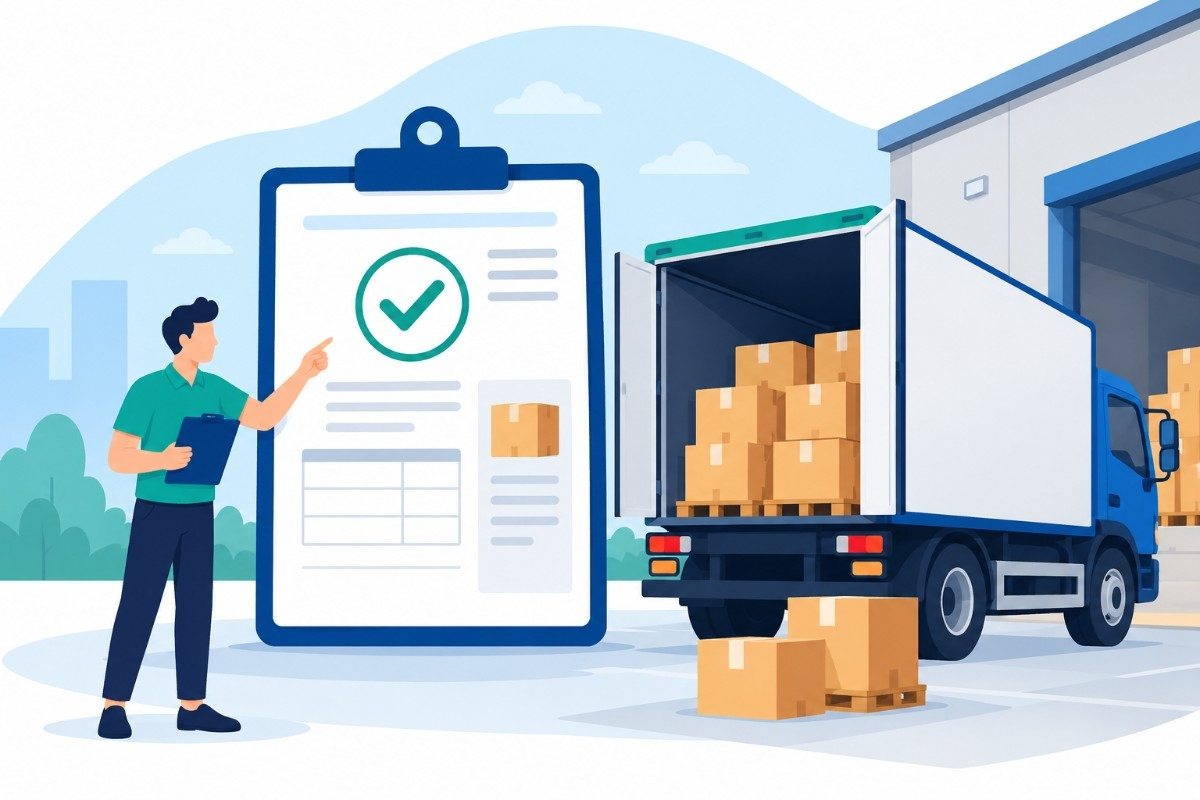
Proof of delivery is a record that the consignee received the goods, usually signed and dated at the door. The full form of POD in logistics is simply proof of delivery, and POD is the short form used in dispatch offices.
One important thing to note: A lorry receipt (LR) proves dispatch at booking, while a proof of delivery (POD) proves receipt at the consignee's door.
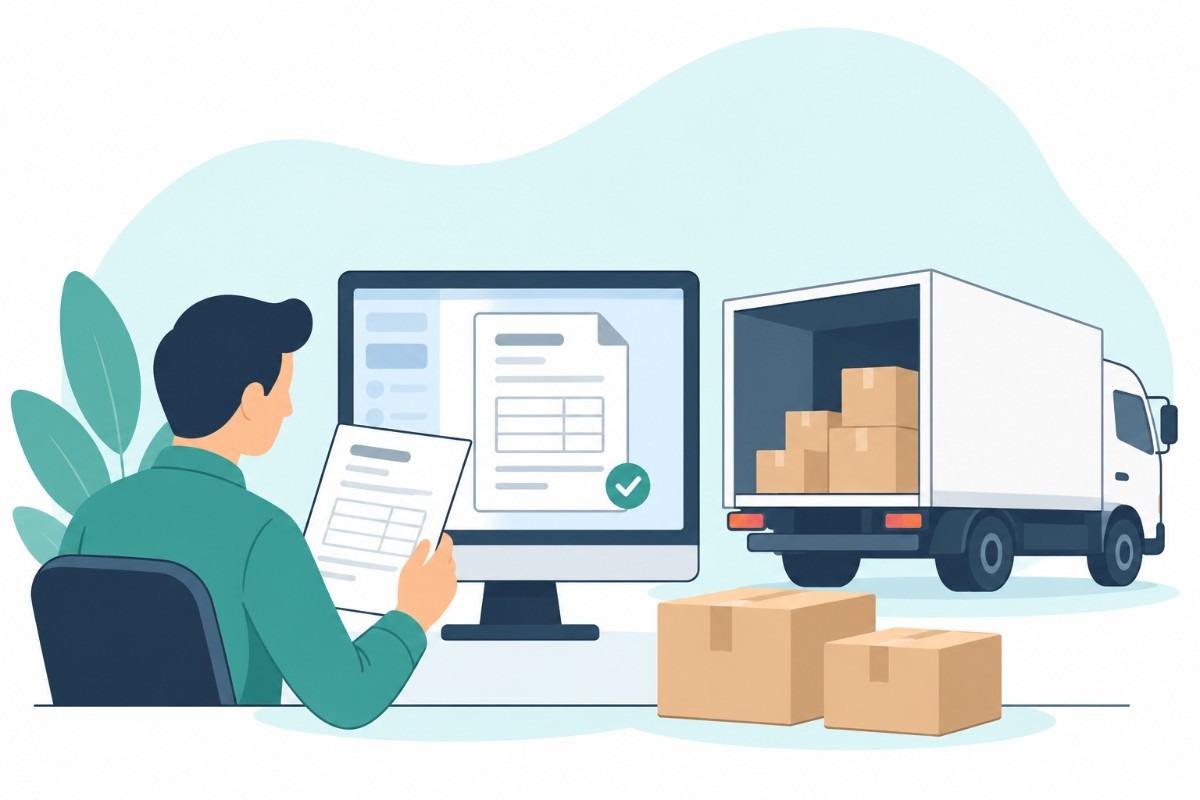
A typical POD lists the date and time of delivery, the consignee's name and address, a description of the goods, and the name of the person who signed. In a dispatch office, it is the last paper on the file. Until it arrives, the consignment stays open, whatever the tracking page says.
POD in logistics means proof of delivery, not proof of dispatch. It is created when the receiver takes the goods, not when the lorry leaves.
Proof of Shipment vs Proof of Delivery: Which Document Proves What?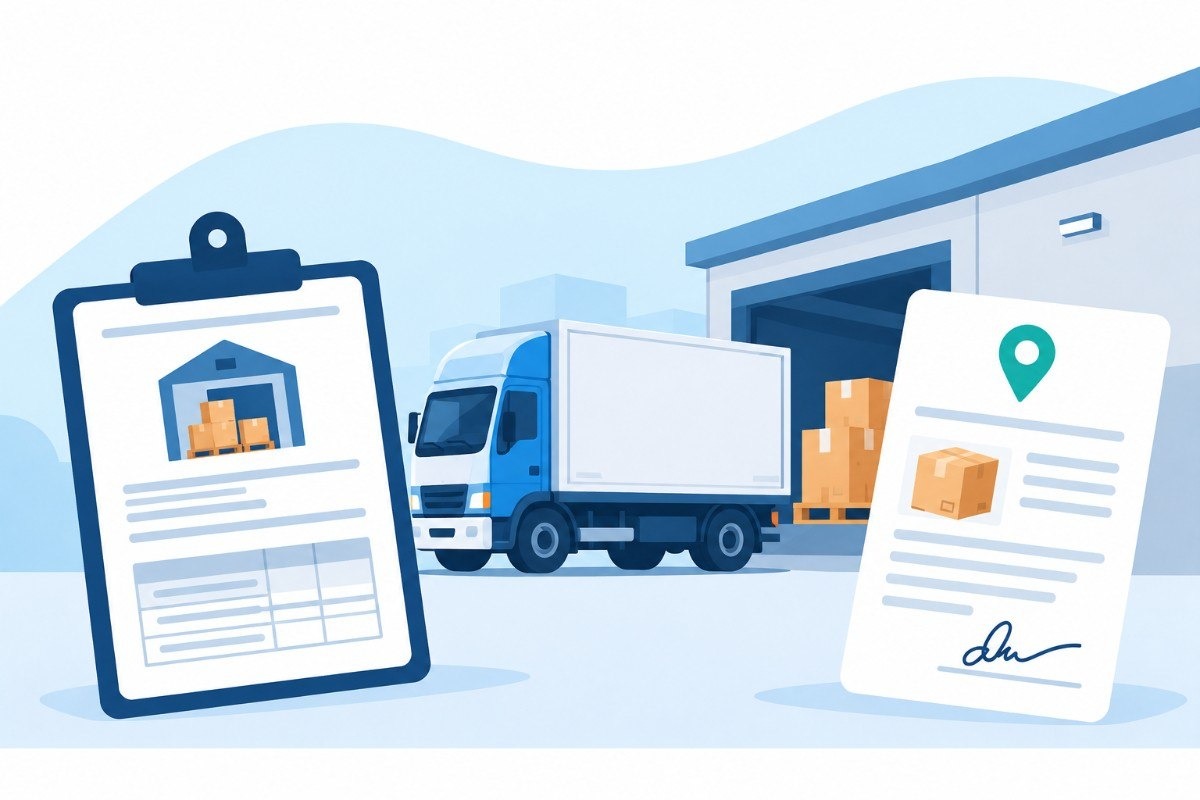
Proof of shipment shows that goods were handed over for transport. Proof of delivery shows that they reached the consignee. You need both to close a consignment cleanly.
For road freight, the lorry receipt works as your proof of shipment. We issue an LR number at booking, and it follows the consignment to the door. The POD is the closing paper at the other end.
| Document | Created | What it proves | Who uses it? |
| Lorry receipt (LR) | At booking | Goods were handed to the transporter. | Shipper, transporter, receiver |
| Invoice | At sale | What was sold and its value | Seller and buyer |
| Proof of delivery (POD) | At the receiver's door | Goods reached the consignee. | Shipper and accounts team |
| Tracking status | During transit | How far the consignment has moved | Sender and receiver |
Check the LR copy when you receive it. The consignee's name, carton count, and goods description should match your invoice, because the POD will later be read against them. Treat tracking as a pointer and the signed POD as the proof.
Why Do B2B Shippers Need a POD?
Because every delivery dispute starts with one question: did the goods arrive, and how many? A POD answers it in one look.
The count matters for freight too. Part load freight rests on chargeable weight, which is the higher of actual weight and CDM, the dimension-based weight. The lane and transit tier, the commodity, and whether the destination is a direct or an ODA (out of delivery area) pin code complete the picture.
A carton missing from the POD changes the weight, so any question about the freight comes back to that paper.
Example: an auto parts supplier in Auto Nagar, Vijayawada books 12 cartons of 50 × 40 × 30 cm, at 9 kg each, for a dealer in Guntur. That is 108 kg of actual weight. The dealer's store signs for 12 cartons with no remark.
Three weeks later, the dealer queries the invoice. The POD shows 12 cartons and the date, so the talk lasts minutes. Had it shown 11, you would read it against the LR first. Use Estimate freight for a first figure on a load like this, or ask the branch for the actual one.
What Should a Good POD Show?
A good POD shows the delivery date and time, the consignee's name and address, the goods, and the signer's name. Three small habits make it far more useful.
- Write the LR number on the POD, so the paper links back to the consignment.
- Put the carton count on it, in the same form as the LR.
- Add any damage or shortage as a remark before the receiver signs.
Our closed-body lorries protect loads from rain and dust, but a remark on the POD is what settles any doubt later.
How Does POD Delivery Work at the Receiver's Door?
POD delivery is the handover where the receiver checks the goods and signs for them. The order is the same for any transporter.
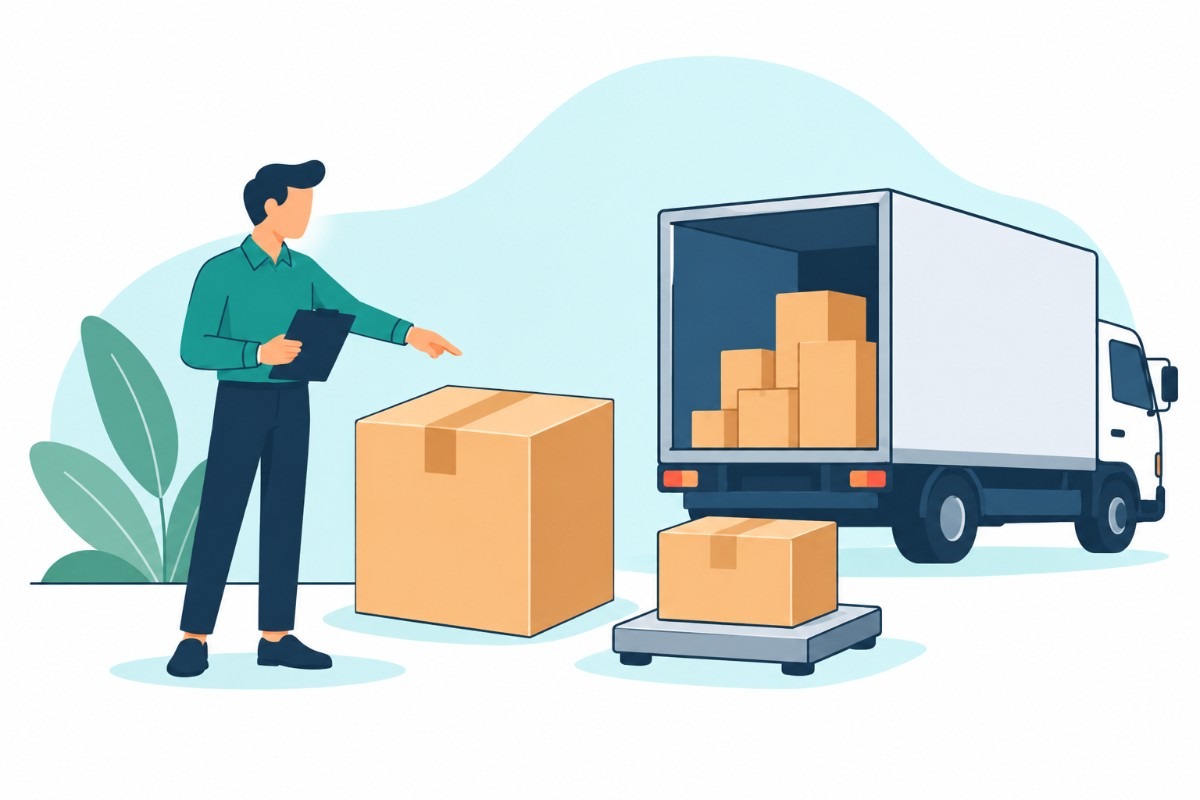
- The receiver counts the cartons against the LR.
- Any damage or shortage goes into the remarks.
- The receiver signs and writes the name and date.
- The transporter files the POD and updates the status.
A delivered status tells you the lorry reached the destination. The signed POD tells you who took the goods and whether the count matched. Ask your dealers to sign the same day. A POD signed a week later, from memory, is weak evidence.
What If the POD Is Missing or Late?
Start with the LR number, not a call to the driver. Open the tracking page, read the latest status, then decide your next step.
One important thing to note: Check the consignment status online by LR number before you call a branch or confirm a shortage claim with a dealer.
With us, tracking is by LR number, with no login. The sender and receiver can both check it, and we also send SMS and WhatsApp delivery updates.
If the status shows delivered and you do not have the POD, call the nearest branch with the LR number ready. If the status has not moved, ask the branch for the consignment's current position before you tell the dealer anything.
How Can You File and Reconcile PODs for Many Dealers?
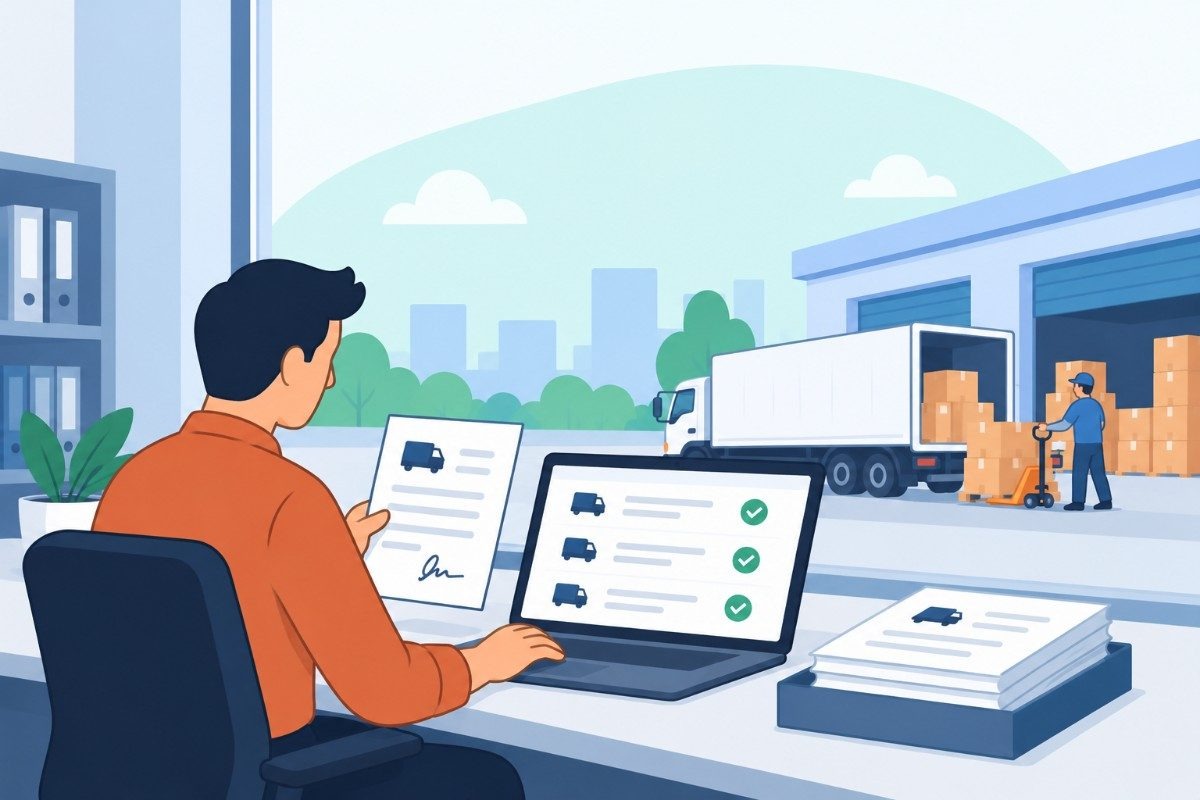
Give every POD one home, filed by LR number and then by dealer. A shipper sending to ten dealers a week cannot search loose papers when one of them calls.
List the LR numbers you dispatched, tick each one that has a signed POD, and chase the rest by tracking status.
Example: a distributor in Jeedimetla sends to dealers in Kurnool, Guntur, and Vijayawada. Four LR numbers have no POD on file. Tracking shows three as delivered and one still moving, so only one needs a call.
For the freight side, ask the branch to confirm the lane and tier for each dealer.
Keep the dispatch sheet, the LR copy, and the POD as one set. Regular accounts get a monthly GST invoice, so a set that matches on carton count makes that invoice easy to check.
How Lucky Express Handles Proof of Delivery on Part Load Freight
Every consignment gets an LR number at booking, and proof of delivery is taken at the receiver's door. Sender and receiver can follow the consignment by that number until it is delivered.
Regular shippers also get MIS reports by email. If you supply a dealer network, a fixed pickup plan set daily, weekly, bi-weekly or tri-weekly keeps each dealer's deliveries and PODs on a steady cycle. Our own closed body lorries run these part load transport loads on fixed lanes, including the last mile delivery to the receiver.
Frequently Asked Questions
1. What is the POD full form in logistics?
POD stands for proof of delivery. It is the record, usually signed and dated at the door, that the consignee received the goods.
2. What does POD in logistics mean for a shipper?
It is the signed proof that your goods reached the consignee. You use it to close the consignment and settle any delivery dispute.
3. What is proof of shipment?
It is the document showing that goods were handed over for transport. In road freight, the lorry receipt serves that purpose.
4. How is proof of shipment different from proof of delivery?
Proof of shipment shows dispatch, while proof of delivery shows receipt. The first is created at booking and the second at the door.
5. What is POD delivery?
It is the handover where the receiver checks the goods and signs for them. The signed record is the POD.
6. Who signs a proof of delivery?
A representative of the consignee signs for the goods at the door. The signer’s name and the date are written on the POD.
7. How do I know my Lucky Express consignment was delivered?
Enter your LR number on our tracking page. We also send SMS and WhatsApp delivery updates.
8. Does Lucky Express take proof of delivery?
Yes, we take proof of delivery at the receiver’s door. Keep it with your LR copy so the set stays together.
Ready to dispatch? Use Ship Now, and the branch will confirm your pickup slot and rate. Already booked? Track your LR with the number from your LR copy.